



WHO GETS TO DEFINE LUXURY IN AFRICA?
SEID Intel by Oluwatoyin
Two beautifully made pieces can have almost identical levels of craftsmanship, yet one may command significantly more attention, admiration and money than the other. Sometimes, the difference is not necessarily in the product itself, but in the name attached to it, the history behind it and what owning it represents. So, are we defining luxury by the quality of what is made, or by the reputation of who makes it?
For years, luxury has been closely associated with fashion houses in Paris, Milan, London and beyond. Their appeal goes beyond the products themselves. It is built on heritage, craftsmanship, exclusivity and years of establishing a reputation that customers recognise and trust. Yet, luxury means different things to different people, and in Nigeria, we have always had our own expressions of it. From intricately woven aso-oke and beautifully tailored agbadas to bespoke leatherwork and contemporary African designs, there is a long history of creating pieces that carry both cultural significance and exceptional craftsmanship.
This is part of what makes Lagos Fashion Week particularly interesting. Beyond the runway and the collections, it provides a platform for African designers to present their work, connect with buyers and introduce new interpretations of fashion to wider audiences. Its 2025 edition, which marked its 15th anniversary, featured more than 60 designers and attracted approximately 15,000 guests over five days, according to Vogue. These numbers reflect more than an interest in fashion; they point to the growing commercial and cultural relevance of African design.
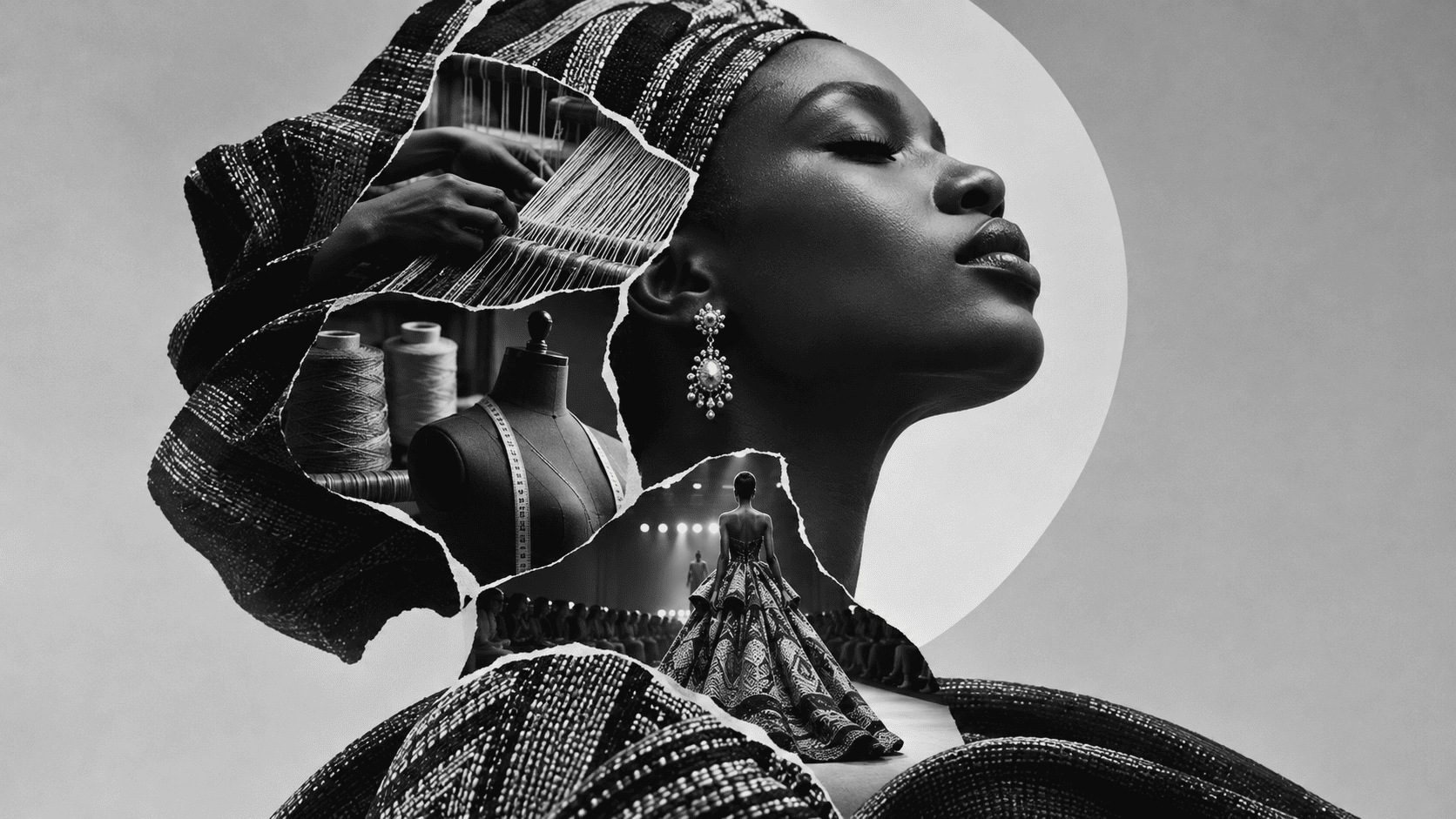
At SEID, we are interested in the bigger stories behind developments like this, particularly what they reveal about business, investment and the economy. Fashion offers a good example because the value of a finished product often begins long before it reaches the customer. Consider a piece of aso-oke. Behind it are the weaver, the technique, the time invested in producing the fabric and the knowledge passed down through generations. When a designer takes that fabric and transforms it into a contemporary piece, several skills and businesses have contributed to its final value. It is a reminder that fashion is not just a creative industry; it is also connected to manufacturing, employment, and enterprise.
The opportunity extends beyond individual designers. The Africa Finance Corporation projects that the continent’s apparel and textile exports could reach $15 billion by 2030. This presents an interesting outlook for an industry that connects textile producers, artisans, manufacturers, fashion houses and international retailers. Nigeria has an important place in this conversation, with its designers increasingly finding ways to combine traditional craftsmanship with contemporary tastes and international market opportunities.
The materials supporting this creativity are equally important. According to SEID’s Nigerian Manufacturing Opportunity Report 2026, Nigeria imported approximately ₦194.98 billion worth of textile fibres in 2025, representing a 53.8% increase. This figure offers another perspective on the relationship between the fashion industry and local manufacturing. From the fabrics used by designers to the artisans and producers behind them, there is an entire value chain that contributes to what eventually becomes a finished product.
Perhaps African luxury does not need to look like what the world has traditionally recognised. Its appeal may lie precisely in what makes it different: the craftsmanship, cultural influences, creativity and stories that give each piece its identity. As more African designers find audiences beyond the continent, they are not just introducing new products to the market; they are also expanding the world’s idea of what luxury can look like.
So, when we think about the future of luxury, perhaps the more interesting question is this: how much of what the world will come to recognise as luxury could be created, produced and built in Africa?
For a closer look at the opportunities within Nigeria’s manufacturing landscape, explore SEID’s Nigerian Manufacturing Opportunity Report 2026 at www.seidintel.com.

Speaking of value and the things we hope to build over time, I came across another development worth paying attention to.
PenCom targets 3m new active pension accounts in one year
The National Pension Commission (PenCom) is looking to bring three million more Nigerians into the funded pension system within the next year. The announcement was made by its Director-General, Omolola Oloworaran, at the 2026 National Pension Week conference in Abuja. Interestingly, the target goes beyond opening new accounts; PenCom wants accounts that are actually receiving contributions. Oloworaran noted that for every Nigerian currently covered by the scheme, about nine others remain outside it.
To reach more people, the commission plans to use digital platforms, personal pension funds and accredited pension agents, with traders, artisans, farmers, transport workers and young professionals among its target groups. The push comes as pension assets continue to grow, rising from ₦20.79 trillion in July 2024 to ₦31.8 trillion by August 2026. However, growth in assets does not necessarily mean better retirement outcomes. PenCom disclosed that almost 70% of private-sector employees retire with pensions below the national minimum wage, while delayed employer contributions remain another concern.
There are also plans to strengthen the industry, with pension fund administrators and custodians expected to complete recapitalisation by June 30, 2027. President Bola Tinubu is also expected to unveil the Pension Security Initiative on November 10, which will include the PenCare healthcare initiative and a minimum pension guarantee. Ultimately, bringing more Nigerians into the pension system is an important step, but ensuring that they have enough to live on when they stop working is just as important.
Here are a few other headlines that also caught my attention this week:
- NCC deploys device checker app to curb counterfeit, cloned phones. Your phone may be smart, but is it legitimate?
- FACT CHECK: Verifying subscribers’ claims at MTN ‘data on trial’ event. If you’ve ever watched your data disappear while doing absolutely nothing, this investigation is for you.
- MultiChoice Nigeria CEO hints at new streaming service launch after Showmax shutdown. Showmax has left the group chat, but MultiChoice says the relationship isn’t over.
- PenCom official advises SMEs to reinvest profits, save for retirement. Dear entrepreneurs, your future self would also like to enjoy the profits.
- NSDC CEO: New sugar projects to add 830,000 tonnes to Nigeria’s annual capacity by 2030. Nigeria is putting its sugar rush to work, and this time, the plan is to grow it at home.
- Reps panel threatens telco CEOs with arrest warrants for ‘ignoring invitations’. Your network can disappear, but apparently, the CEO cannot.
- UBA enables Google Pay for contactless payments in Nigeria. Our wallet can finally rest. Your phone has been looking for more responsibilities.
- FG to present 2027 budget before year-end. The budget is getting ready for 2027.
- Tegbe: FG has paid N1.2trn out of N2.3trn in power sector debt. The electricity sector has received ₦1.2 trillion. Hopefully, the next thing to receive a boost is our electricity supply.
- FG to begin $100m south-east gas pipeline project in 2027. The South-East is getting a new connection, and this one could power a lot more than conversations.
Just leaving that here.