Our Blog
SEID INTEL
SEID Intel by Oluwatoyin
You know how sometimes you spot something early and just keep thinking about it?
That’s exactly how I’ve been feeling about something we mentioned in our Nigerian Consumer Outlook report last year. We saw it coming, and now, we’re starting to see it happen in real time.
This is exactly the kind of shift we pay close attention to at SEID. Our SEID Intel team tracks how economic pressures shape consumer behavior and reveal new opportunities for brands and industries. More importantly, we help brands translate these insights into clear, compelling stories that truly resonate with today’s consumers.
A simple example of this shift is what’s happening with power as,
Solar Inverter System Gains Momentum in Nigeria
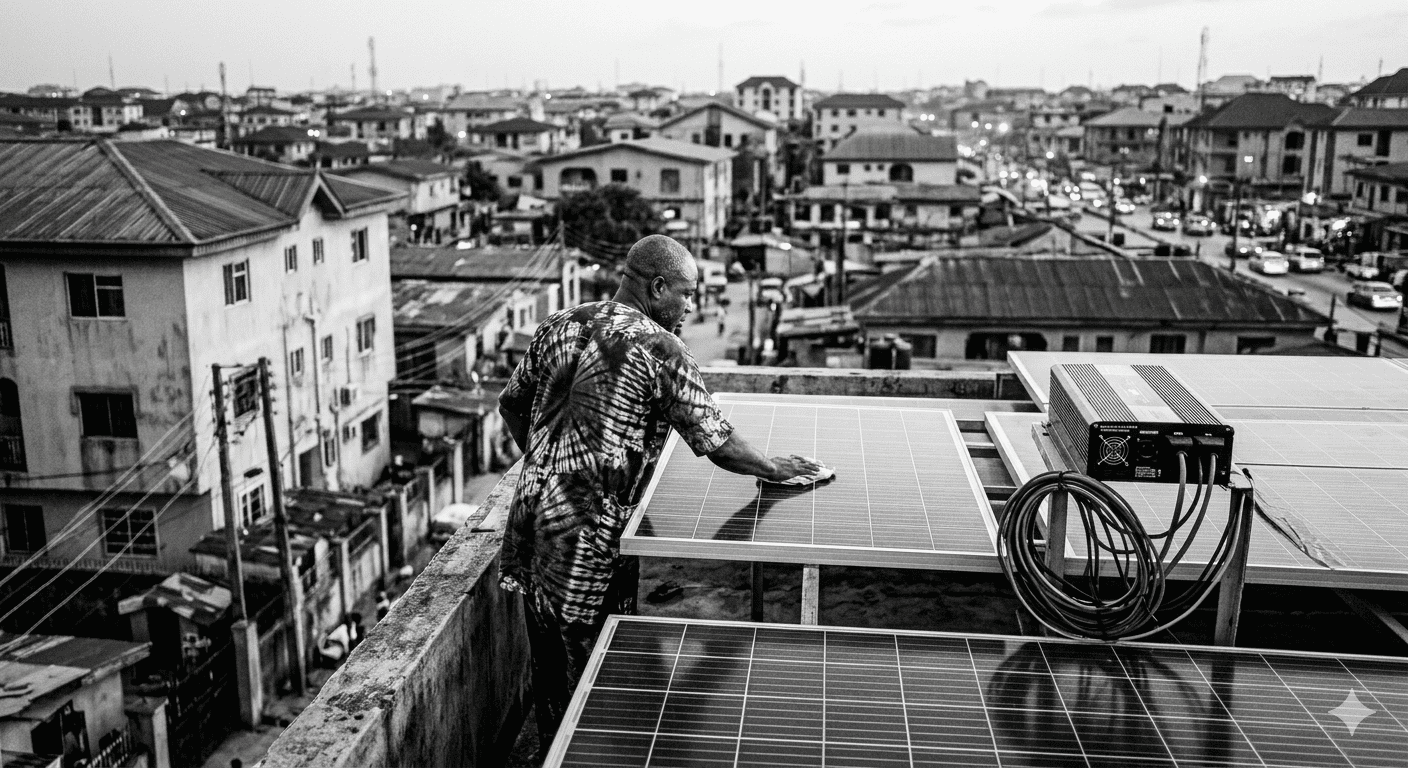
At 7 pm, across many Nigerian homes, a familiar routine once defined the evening. The hum of generators, the uncertainty of power supply, and the constant calculation of fuel costs. Today, that routine is beginning to shift.
In recent times, Solar Inverter System has moved from a supplementary solution to a primary power source. What was once a premium option is rapidly becoming mainstream for households and businesses. As predicted in SEID’s Nigerian Consumer Outlook Report 2025 (NCOR), demand for solar inverter system is accelerating, with it ranking as a top technology product Nigerians plan to acquire right after PC and mobile devices.
This shift is unfolding in the context of broader economic realities. With more than half of household income spent on essentials like food, Nigerians are becoming more deliberate about how they spend their money. Energy costs are no longer just recurring bills. They are increasingly viewed as strategic investments. Many are weighing the ongoing expenses of fuel, generator upkeep, and unreliable grid power against the upfront cost of solar inverter systems, which offer longer-term savings, greater stability, and more control.
At the heart of this change is evolving consumer behavior. Nigerians are becoming more value-conscious, thoughtful in their spending, and focused on long-term efficiency. Choosing solar inverter systems reflects a wider mindset shift from simply managing daily challenges to making proactive investments in control and sustainability.
The impact is already visible. Adoption of solar inverter systems is expanding beyond “wealthy” households to include small and medium-sized businesses, retailers, and service providers that rely on steady power. For these businesses, reliable electricity is critical. It drives productivity, improves customer experience, and supports stable revenue, making solar inverter systems a key factor in business continuity.Reflecting confidence in the sector, Nigeria secured $425 million in 2025 to develop eight solar manufacturing plants, a major step toward strengthening its renewable energy ecosystem.
At the same time, Nigeria’s solar market still depends heavily on imported panels, inverters, and batteries. This reliance exposes the sector to currency fluctuations and rising costs, which can slow broader adoption. However, it also opens opportunities for local assembly, distribution, maintenance services, and innovative financing solutions.
As demand grows, solar inverter systems are beginning to influence the wider economy. They reduce dependence on fuel-based power, create jobs in installation and technical services, and boost efficiency for small and mid-sized businesses. The upfront cost remains a significant barrier, making flexible financing and scalable payment plans key to wider adoption.
Ultimately, this shift reflects how Nigerians are changing the way they view and manage energy. Consumers are becoming more strategic, focused on long-term value, moving from simply coping with constraints to actively investing in greater control and sustainability.
I saw something recently and it stayed on my mind.
At first, it felt like just another headline, but the more I thought about it, the more it felt very close to home.
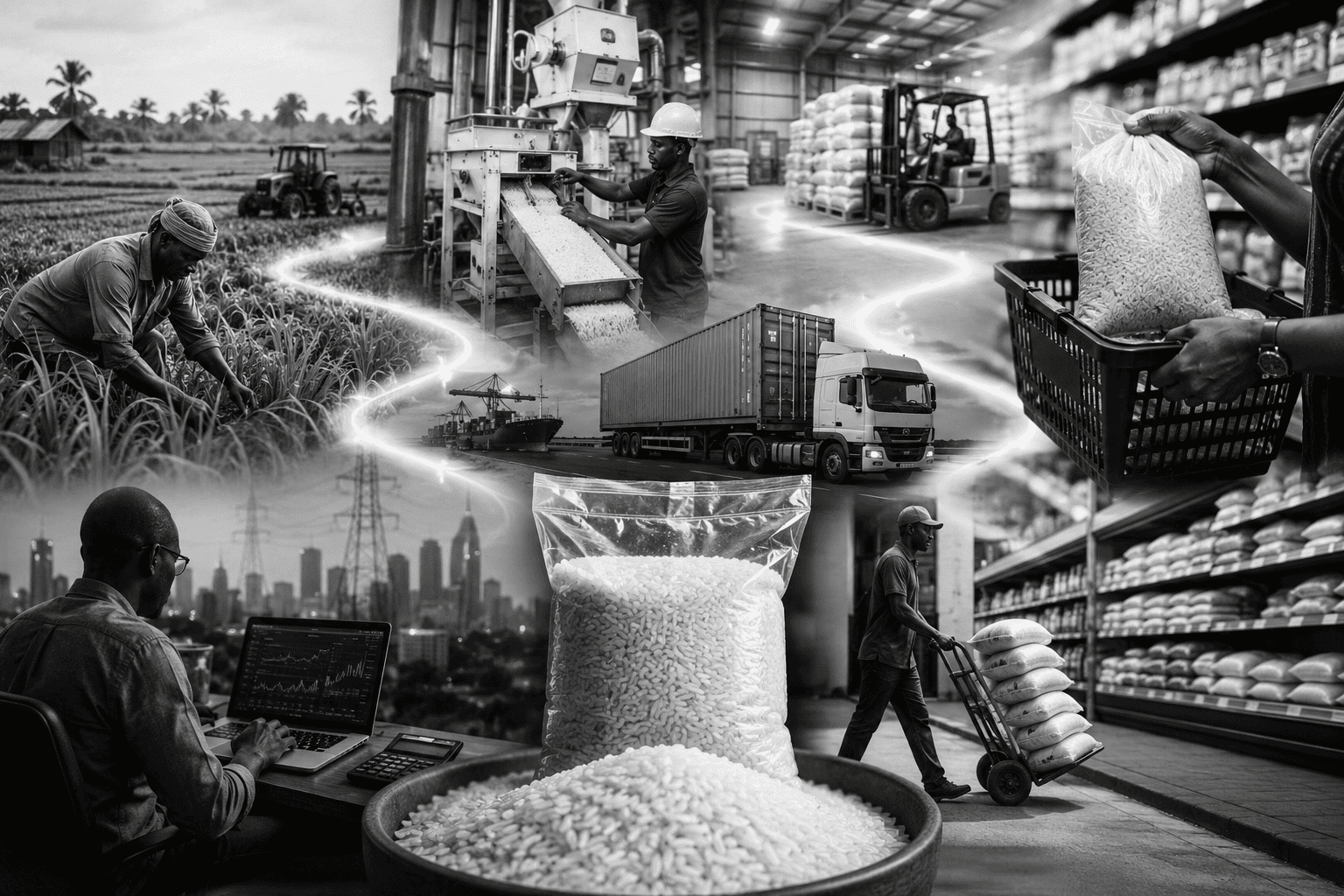
The International Monetary Fund has warned that a 20% rise in global food prices could push more than 20 million people in sub-Saharan Africa into food insecurity. This warning highlights the increasing pressure on household budgets across the region, where food already takes up a large share of daily spending.
As prices climb, the challenge is shifting from food availability to affordability. This situation raises serious concerns about reduced food consumption, a shift toward cheaper and often less nutritious food options, and growing hardship among the most vulnerable populations.
More broadly, this trend signals a change in consumer behavior. In the coming months, spending is expected to become more focused on essential needs and highly sensitive to price, as households adjust to tighter financial constraints.
There were a few other headlines this week that are worth keeping an eye on:
- First LNG tanker in two months passes through the Strait of Hormuz
- Cooking gas prices rise, with 5kg now at ₦7,655 in March 2026
- Federal Government directs states and FCT to set up nutrition councils within three months
Just leaving that here.