

The Invisible Industries That Keep Cities Running
SEID intel by Oluwatoyin
Your Monday dose of SEID Intel is fashionably late. We trust everyone survived the suspense.
Now, let’s talk about the things we barely notice until they stop working.
A factory can have the best machinery, a hotel can be fully booked, and an office can be buzzing with activity. But let the power go out, the water stop flowing, or an essential piece of equipment break down, and suddenly, everything comes to a standstill. It’s a reminder that keeping a business running takes more than what customers see.
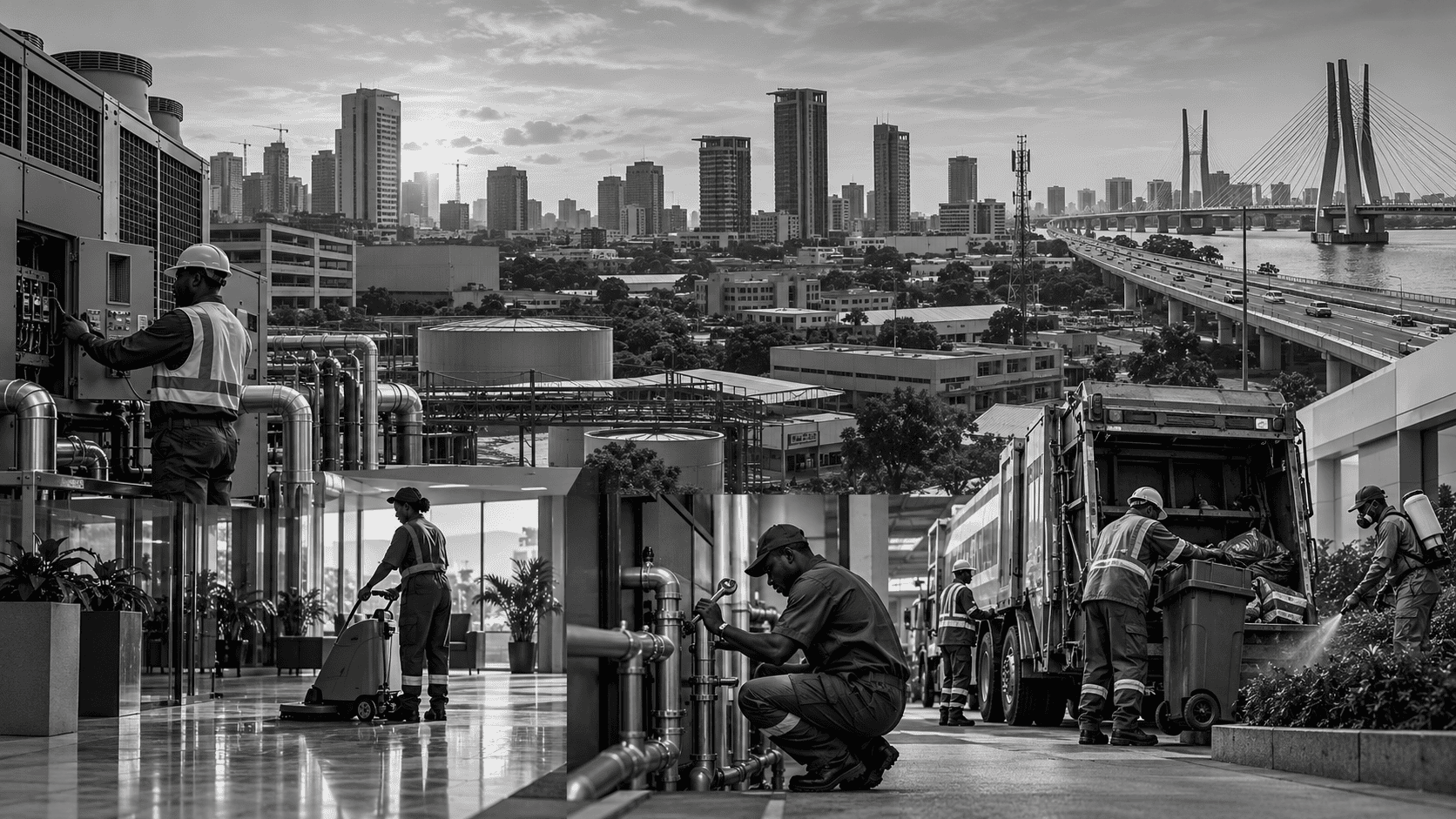
Facility management, equipment maintenance, sanitation, pest control, and plumbing are some of the services that quietly keep businesses and cities going. When they do their jobs well, nobody gives them much thought. When they don’t, the consequences can be expensive: delayed work, disrupted operations, and, sometimes, a business that has to shut its doors temporarily.
There’s a bigger opportunity here than simply fixing things when they break. Think about the businesses that could save money with better maintenance, the buildings that could run more efficiently, or the communities that would benefit from reliable waste collection. These are real problems that need practical solutions, and for entrepreneurs and investors, they present opportunities to build businesses around services people and organisations genuinely need.
The opportunity goes beyond the service providers themselves. Businesses rely on a network of suppliers, infrastructure and support services to keep production moving. When that network is unreliable, costs rise, and expansion becomes harder. When it works, businesses have a better chance of producing more, serving customers, and growing.
This is also worth considering when we look at Nigeria’s manufacturing potential. Building more factories is important, but factories also need reliable equipment, skilled technicians, dependable suppliers, and efficient supply chains. Without these, increasing production becomes a much harder task.
This is part of what inspired SEID’s Nigerian Manufacturing Opportunity Report 2026, which examines the gaps and opportunities within Nigeria’s manufacturing sector. The report identifies over ₦40 trillion in untapped manufacturing opportunities and finds that imports met 64% of local demand for manufactured goods in 2025, representing a $29.4 billion market. Unlocking this potential will take more than building factories; it will also require the supporting industries, reliable supply chains, and capabilities that enable local manufacturers to compete.
Want to see where some of Nigeria’s biggest manufacturing opportunities lie? Explore the Nigerian Manufacturing Opportunity Report 2026 below.
Speaking of things that could make everyday life a little easier, I came across an interesting development in Lagos
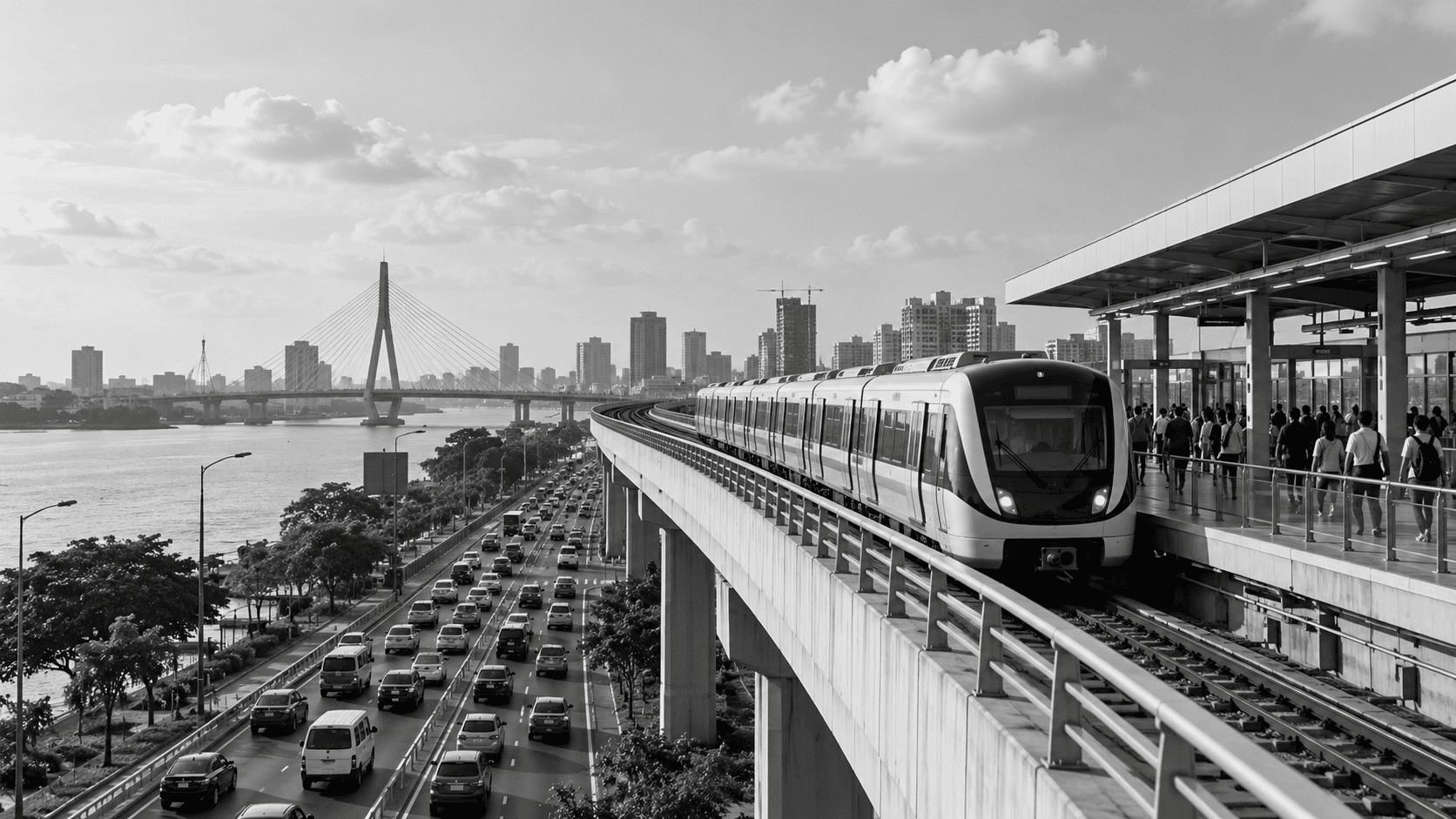
Lagos to open three Blue Line rail stations by February 2027
Lagos is set to expand its Blue Line rail service, with three new stations at FESTAC, Alakija and Trade Fair expected to open by the end of February 2027. According to Abimbola Akinajo, managing director of the Lagos Metropolitan Area Transport Authority (LAMATA), the expansion will increase the number of operational stations from five to eight. The existing stations are Marina, National Theatre, Iganmu, Alaba and Mile 2. The Blue Line began commercial operations in September 2023.
For residents who spend hours navigating Lagos traffic, the expansion could offer more options for getting around the city. Better rail connections can make it easier for people to access work, businesses and essential services, while potentially reducing pressure on some road routes. The extent of these benefits will depend on how well the stations connect with other transport options and how reliably the service operates.
LAMATA also announced that four quality bus corridors are nearing completion, while construction at the Marina and Mile 2 interchange hubs has made considerable progress. These developments form part of the state’s broader plan to improve public transportation. The next question is how effectively these projects will connect more residents to their destinations and make daily movement around Lagos less demanding.
Here are a few other headlines that also caught my attention this week:
- Taiwo Oyedele: FG supporting SMEs to drive growth, create jobs. Dear small business owners, apparently, help may be on the way.
- TCN inaugurates four substations to boost electricity supply in Kano. A business can survive a lot. Paying for fuel forever shouldn’t have to be one of them.
- Shoprite to reopen with standalone neighbourhood stores. Shoprite said, “This mall rent is not my portion.”
- CBN grants JP Morgan approval to establish merchant bank in Nigeria. JP Morgan said, “New market, who dis?”
- NEC endorses finance ministry’s 90-day action plan to improve food affordability, attract investment. The cost of living has been doing the most. NEC says it’s time for a meeting.
- KPMG says 84% of African CEOs expect workforce to grow despite AI adoption. Plot twist: AI might be taking over the tasks, not the entire office.
- Nigeria eyes African depositary receipts to attract cross-border investments. The stock market is going continental. Your watchlist better start networking.
- NCC: 75m subscribers compensated for poor telecom service in 2026. Who are the 75 million Nigerians enjoying free airtime? We need names.
- Aviation ministry, FAAN approve design for Lagos airport monorail. Your flight departs at 4 pm. Lagos traffic says, “Let’s discuss that.”
- FG to introduce incentives to encourage listing of private firms. From “my company, my rules” to “dear shareholders…” major character development.
Just leaving that here.