



Your Trash Is Somebody Else’s Inventory
SEID intel by Oluwatoyin
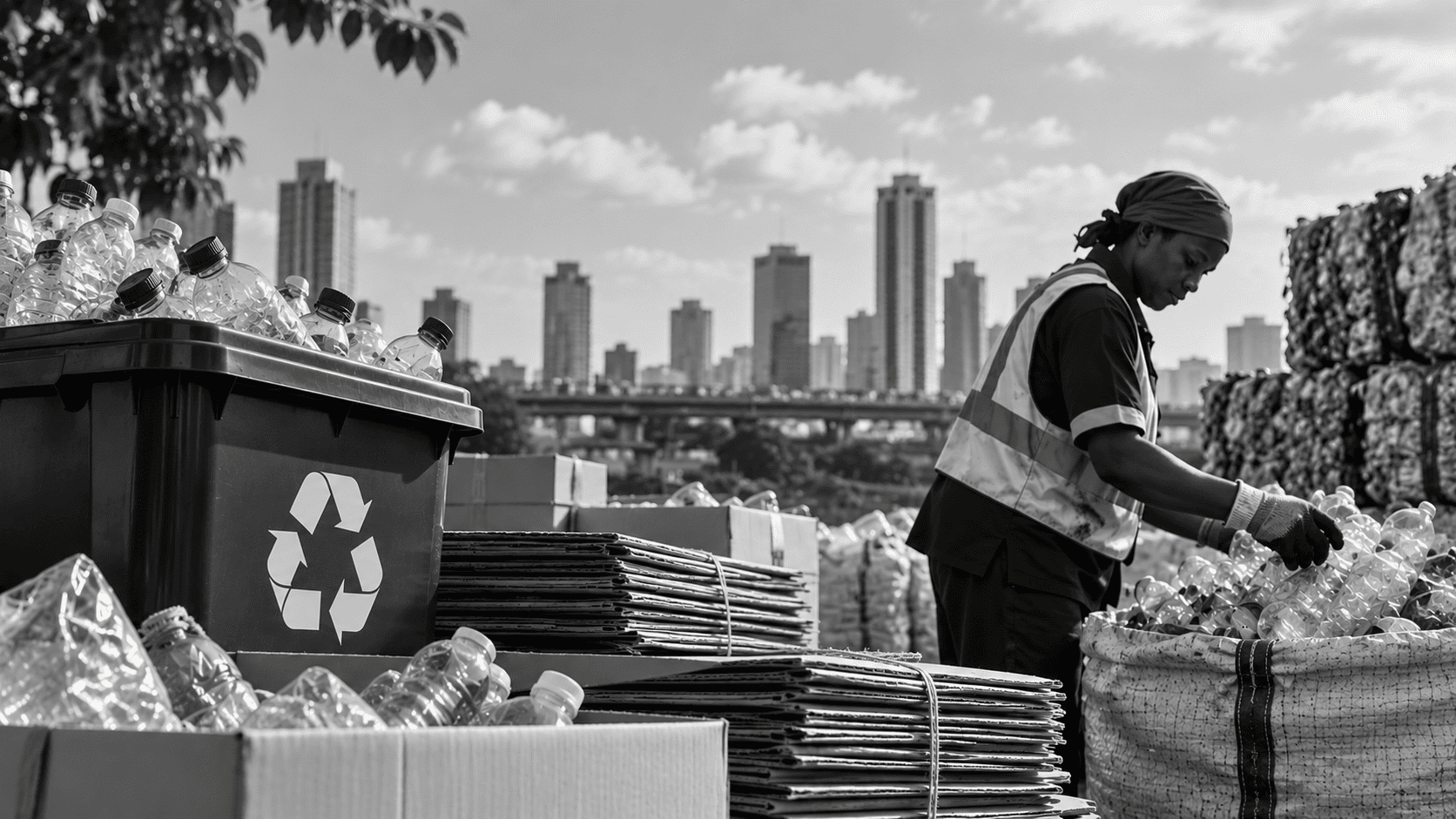
Think about what happens after you finish a bottle of water, unbox a delivery or clear the leftovers from dinner. The bottle goes in the bin, the cardboard gets tossed aside, and the food scraps are cleared away. We move on without giving them much thought. But for some businesses, these are not the end of the story. They are materials that can be collected, processed and sold to make something else.
Nigeria generated an estimated 44.5 million tonnes of municipal waste in 2021, up from 25 million tonnes in 2009, according to the World Bank. That is nearly 78% more waste in just 12 years. Behind that number is a question worth asking: how much of what we throw away could be put back to work, and what could that mean for businesses and the wider economy?
At SEID, these are the kinds of things we are curious about: the everyday realities that can reveal bigger economic opportunities when you look a little closer.
Nigeria is already making progress. In 2025, the Mohinani Group secured financing from the International Finance Corporation to develop plastic recycling plants in Nigeria and Ghana. Each plant is designed to process 15,000 tonnes of plastic waste annually into material for products such as food and beverage packaging. Beyond the factories themselves, projects like this create business for the people collecting discarded plastic, transporting it, sorting it and preparing it for manufacturers. One person’s waste becomes another business’s supply.
Other countries show how much further these systems can go. In Norway, people can return empty drink bottles and cans through special machines and get their deposits back. In South Korea, smart bins weigh household food waste and charge residents according to how much they throw away. These systems help recover more materials and make collection more organised. Recycled plastic can be used in new packaging, clothing fibres and car interiors, while food waste can be turned into compost or used to produce biogas.
For Nigeria, the opportunity is not simply to collect more waste. It is to build stronger businesses around what happens next. More processing facilities could supply manufacturers with locally recovered materials. Better collection networks could create more reliable income for waste collectors. Businesses could emerge around recycling equipment, transport, material sorting and the production of new goods. If developed well, this industry could create jobs, support local manufacturing and reduce reliance on imported materials where suitable local alternatives exist.
At SEID, we wanted to look beyond individual industries and understand where these kinds of opportunities exist across the wider economy. That is part of what informed our Nigerian Manufacturing Opportunity Report 2026, which examines Nigeria’s manufacturing landscape, identifies opportunities across five key subsectors and explores the industrial potential of states and regions across the country.
Curious about where Nigeria’s next manufacturing opportunities could lie?
Click the link below to explore the Nigerian Manufacturing Opportunity Report 2026.
From turning discarded materials into economic value to connecting underserved communities to digital opportunities, I came across another story in the news that caught my eye.
FG to deploy 3,700 telecoms towers to connect nearly 20m Nigerians without network access
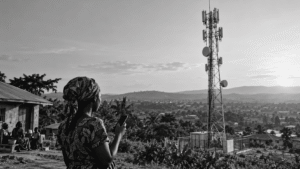
The federal government is set to deploy 3,700 telecommunications towers to connect nearly 20 million Nigerians living in communities without network access. Communications Minister Bosun Tijani announced the Nigeria Universal Communication Access Project (NUCAP) on October 16, with the first site commissioned in Amaeke, Bende Local Government Area of Abia State.
For millions of people, poor network coverage means more than dropped calls. It can mean a farmer struggling to reach buyers, a trader unable to receive payments or a family having difficulty contacting a health worker in an emergency. The project aims to bring these underserved communities online, opening up better access to communication, digital services and economic opportunities.
The rollout is part of the federal government’s wider digital inclusion drive and its ambition to build a $1 trillion economy. Tijani said more sites would be launched in the coming months and encouraged communities without coverage to report their locations to the ministry for consideration. The goal is to ensure that where people live does not determine whether they can participate in Nigeria’s growing digital economy.
Here are a few other headlines that also caught my attention this week:
- NRS collected N3.70trn tax revenue in August | Petroleum royalties accounted for 26%. “Petroleum royalties said, ‘We understood the assignment.’”
- IMF, World Bank release framework to tackle digital financial fraud. Your money is digital. So are the people trying to steal it.
- IMF backs CBN interest rate cut, says monetary policy still tight. Monetary policy is loosening its grip. Just not letting go.
- Rivers, chinese firm sign MoU for proposed $3.5bn methanol, fertiliser plant. Gas is getting a career upgrade: from fuel to fertiliser and methanol.
- Experts say HR profession vital to Nigeria achieving $1trn economy. HR said, “Put some respect on our job title.”
- Tegbe: No plan to increase electricity tariffs, FG targeting 24-hour power supply. FG said no tariff increase. Somewhere, a generator just got nervous.
- Meta removes 3.7m accounts in crackdown on West African scam networks. The “I mistakenly sent you airtime” gang is watching their backs.
- NCC begins checks to block fake phones, modems, PoS terminals from accessing networks. That iPhone 17 Pro Max for ₦85k? NCC would like a word.
- World Bank to mobilise $5.79bn in private financing for Nigeria. One country, several sectors, billions in potential financing. The ambition is not small.
- NSIB begins probe as private jet makes emergency landing in Abuja after losing door mid-air. Passengers paid for a flight. Nobody ordered an open-air experience.
Just leaving that here.