

Every Industry Has That One Gathering
SEID Intel by Oluwatoyin
Every family has that one gathering.
The one where everyone shows up. The cousin who lives abroad. The aunt who somehow knows everyone’s latest gist. The uncle who’s convinced he has the answer to everything. The younger ones who spend more time listening than talking.
Different people. Different perspectives. Somehow, everyone leaves with a story.
I’ve realised industries have their own version of that gathering too.
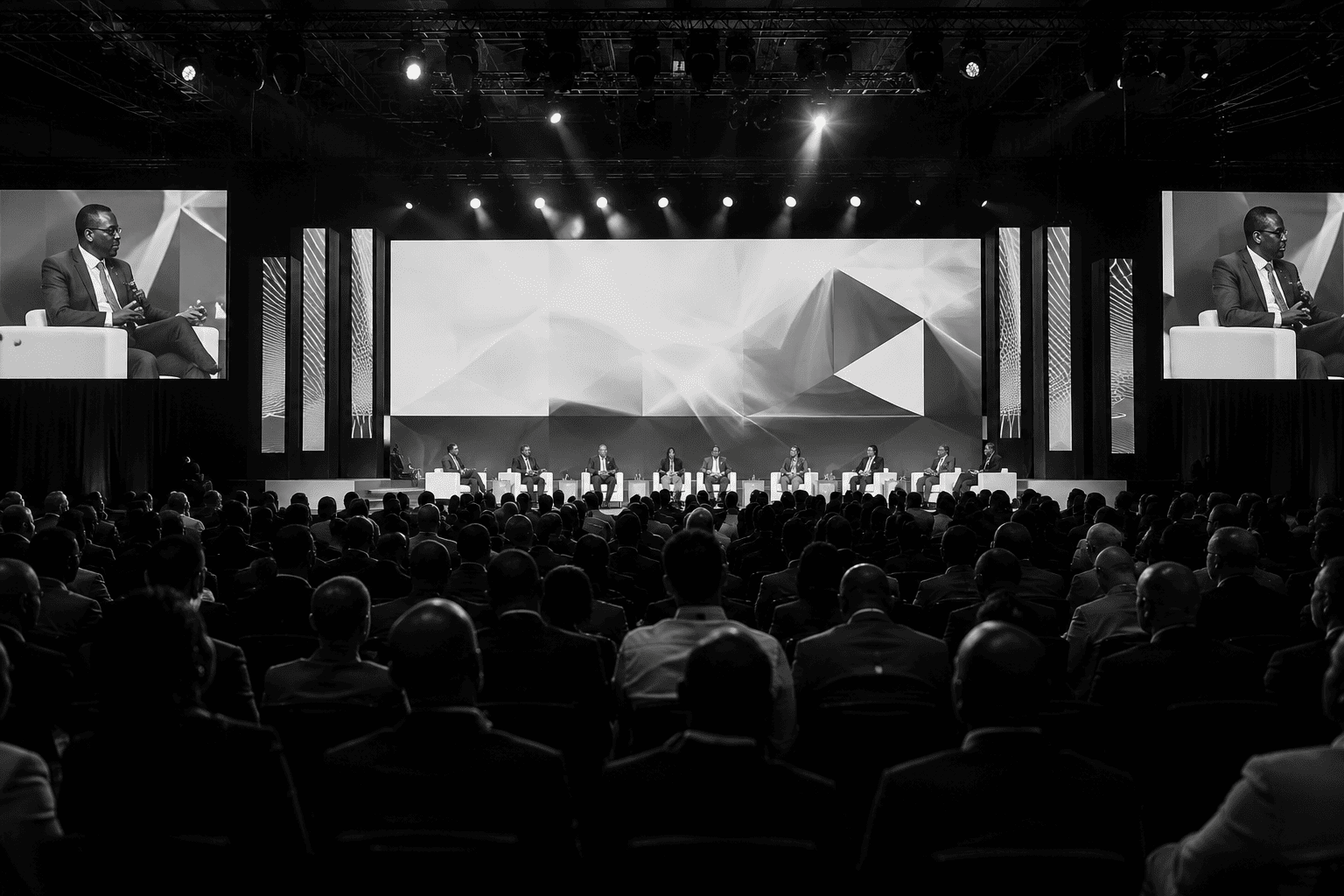
This week, SEID is proud to be a media partner for the 25th edition of NOG Energy Week, and after spending time behind the scenes, I couldn’t help but notice the similarities.
Only this time, instead of family members, you have policymakers, investors, operators, innovators, regulators, exhibitors, and young professionals. Instead of catching up on life, they’re exchanging ideas on energy security, gas development, local content, investment, technology, regulation, and what the future of Nigeria’s energy sector should look like.
What struck me most wasn’t just the scale of the event. It was how naturally all of those conversations coexist.
Looking back at the journey of NOG Energy Week, it’s fascinating to see how those conversations have evolved. Twenty five years ago, many centred on strengthening regulation, increasing indigenous participation, expanding local content, and unlocking Nigeria’s energy potential. As the years went by, the agenda evolved alongside the industry, making room for discussions around LNG expansion, gas infrastructure, the Petroleum Industry Bill, the Petroleum Industry Act, deeper indigenous participation, investment, and the opportunities shaping today’s energy landscape.
As the industry evolved, so did the conversations.
That’s probably what makes a 25th edition so special. It’s more than a milestone. It’s a reminder that an industry is constantly learning, adapting, and rewriting its own story. Every edition reflects the priorities of its time while creating room for the conversations that will shape what comes next.
Being on site has given me a different appreciation for what it takes to make that happen. Beyond the exhibition stands and conference sessions is a carefully curated environment where ideas are exchanged, perspectives are challenged, partnerships begin, and difficult questions are welcomed. That’s where the real value lies.
As media partners, that’s the story we’re most excited to tell. Yes, we’ll be covering the announcements, the key sessions, and the people driving the conversations. Just as importantly, we’ll be telling the stories behind those moments, giving context to the ideas being shared and highlighting the conversations that continue long after the microphones are switched off.
If every family gathering leaves you with stories to tell, I have a feeling this one will too.
One thing this week has reinforced is that the energy industry is constantly moving. While those conversations continue at NOG Energy Week, one headline in particular caught my eye.

Shell forecasts 65% rise in global LNG demand by 2050
Despite the world’s growing focus on cleaner energy, Shell says LNG is set to play an even bigger role in the decades ahead.
In its 2026 LNG Outlook, the company projects global LNG demand will rise by about 65% by 2050, reaching nearly 700 million metric tonnes a year. The growth is expected to be driven by increasing energy demand across Asia, rising electricity consumption from data centres, and countries replacing coal with lower emission fuels.
The report also notes that recent disruptions to LNG shipments through the Strait of Hormuz, caused by tensions in the Middle East, briefly affected global supply. However, the market has remained resilient, supported by additional supply from North America and expanded gas infrastructure.
Looking ahead, Shell expects about 180 million metric tonnes of new LNG supply to enter the market by 2030. The company also forecasts that South and Southeast Asia will account for around 40% of global LNG imports by 2050, while LNG will continue to play an important role in Europe’s energy security.
According to Shell, meeting this growing demand will require significant investment in LNG infrastructure and export projects over the coming decades.
Here are a few other headlines that also caught my attention this week:
- Nigeria now US’ second-largest trading partner in Sub-Saharan Africa after nearly $15bn trade in 2025 . Looks like someone’s moving up the leaderboard.
- BOI: 20% of N644bn disbursed in 2025 went to women, youth-led businesses. Funding said, “Ladies first.”
- World Bank official: Nigeria’s problem is low revenue — not debt. Perspective changes everything.
- FG launches initiative to train 5,000 youths for smart meter rollout. The power sector just found its next recruits.
- PenCom reviews guidelines for PFAs to invest in custodians’ parent companies, caps investment. PenCom said, “You can… but not too much.”
- IN DETAIL: Stock market traders exchange N154bn shares — up by 15%. The traders definitely kept themselves busy.
- NESG: Despite cost pressure, manufacturing and trade helped boost business activity in June. Manufacturing and trade said, “We’ve got this.”
- BOI signs $170m iDICE fund management deal to boost tech, creative sectors. The innovation fund just got a major upgrade.
- PenCom, ICPC recover over N3bn unremitted pension contributions. The update is in.
- NDIC begins liquidation of 46 microfinance banks after CBN revoked licences. A notable development.
Just leaving that here.