

What Stays?
SEID Intel by Oluwatoyin
What Stays?
In a world driven by attention, where brands are moving faster than ever and leveraging trends, platforms, and evolving technologies to create quicker content and louder visibility, one thing has become increasingly clear:
Visibility is no longer enough.
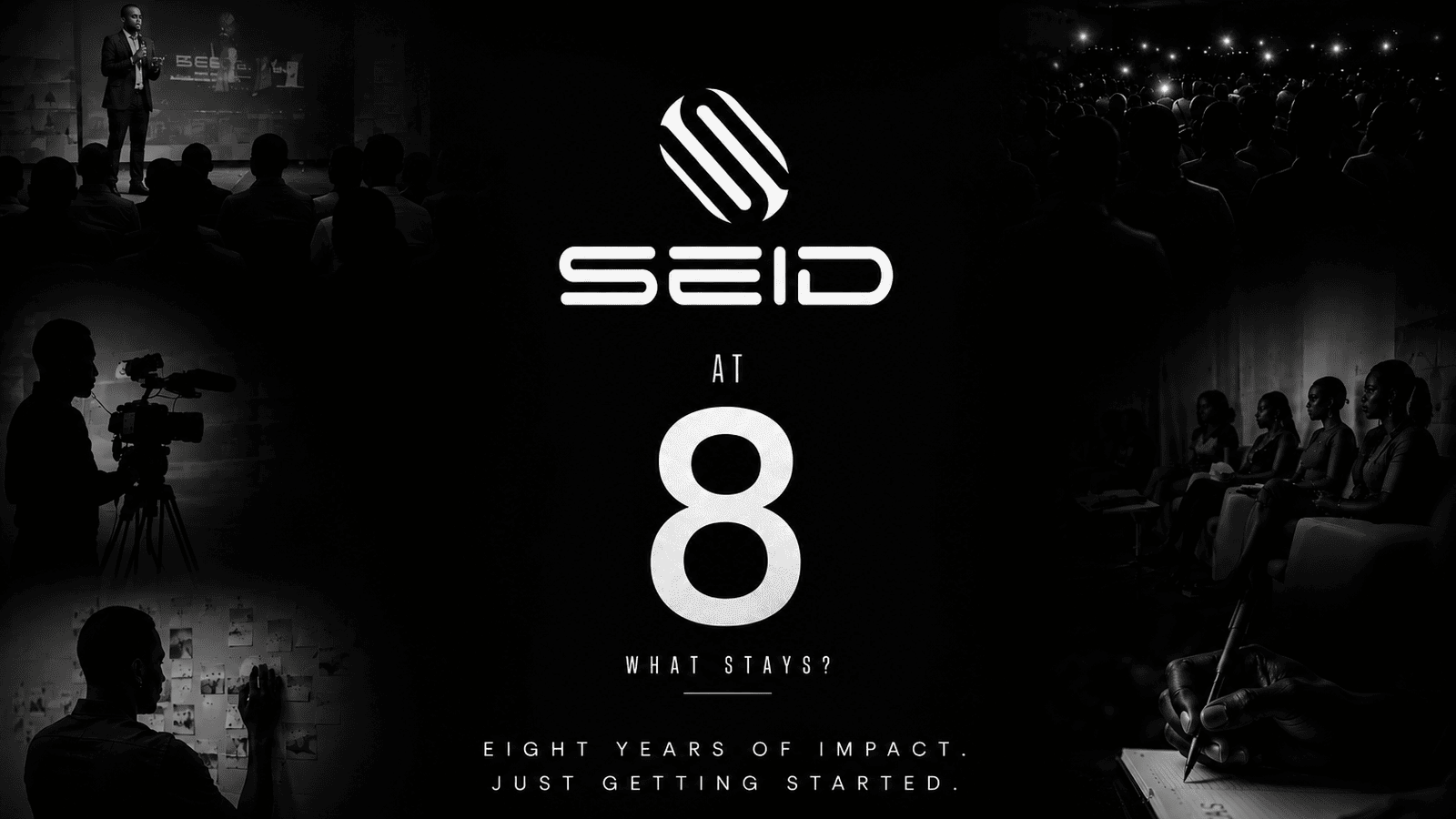
At SEID, one question continues to shape the way we think: What stays?
For a fast-growing consumer brand in a highly competitive category, our objective was more than visibility. Through audience insight and culturally aligned engagement, the brand evolved from an emerging product into a recognized lifestyle choice among consumers, driving stronger affinity and 4X growth within a key sub-region in less than five months.
What stays is the result and loyalty built with consumers.
For a leading fintech platform, the objective was to strengthen visibility while increasing adoption at scale. Through strategic positioning and performance-driven engagement, the platform accelerated awareness, strengthened market confidence, and achieved significant user growth during one of the most competitive media periods of the year.
What stays is the confidence created around the platform.
For a leading institution within the financial ecosystem, investment conversations needed to feel more accessible and culturally relevant to younger audiences. By simplifying financial narratives and expanding digital participation, investment became easier to engage with, contributing to wider conversations around financial literacy and economic inclusion.
What stays is the shift in perception around participation and financial growth.
Beyond the impressions and short-lived attention, lasting relevance comes from understanding people deeply, shaping perception intentionally, and delivering measurable impact where it matters most: growth, market confidence, cultural relevance, and business performance.
Eight years ago, SEID was founded on a simple belief that brands grow sustainably when they identify gaps early, understand cultural and market shifts, and position themselves where opportunity and influence intersect.
That thinking has guided our work across finance, technology, manufacturing, consumer goods, and lifestyle sectors.
SEID has also remained intentional about contributing to broader industry and economic conversations through insight-driven research and market intelligence.
Our 2025 Nigerian Consumer Outlook Report generated over 3,000 views and contributed to conversations around consumer behaviour, market shifts, and business decision-making within the wider economy.
Building on that momentum, we are currently working on the 2025 Manufacturing Report, a highly anticipated publication focused on industry trends, market realities, and emerging opportunities shaping the sector.
Over time, our work evolved beyond traditional marketing and public relations into insight-led growth, stakeholder perception management, reputation advisory, and helping brands position themselves within broader cultural and economic conversations.
Across every engagement, one lesson has remained consistent: people support what they understand, connect with, and believe in.
Over the last eight years, we have built a team of strategists, analysts, creatives, and problem solvers committed to creating work that leaves lasting value behind.
Because beyond every campaign, launch, and metric, the real question remains:
What stays?
For us, what stays is the opportunities unlocked, the industries strengthened, and the impact created long after the moment passes.
And after eight years, we believe the most meaningful work is still ahead.
To every client, partner, stakeholder, and team member who has been part of this journey and who has trusted us to help shape growth, influence perception, and build lasting relevance across industries, we say thank you.

One of the more unsettling stories making headlines right now is what’s happening aboard a cruise ship linked to a deadly virus outbreak.
Staying Informed and Avoiding Panic Amid Hantavirus Headlines
While health authorities continue to monitor the hantavirus situation closely, stories like this also remind businesses and institutions how quickly global events can influence behaviour, travel, consumer confidence, and public communication.
Moments like this often create increased demand across sectors such as healthcare, crisis communication, travel advisory, and public health awareness. They also highlight the importance of preparedness, accurate communication, and responsible stakeholder engagement during uncertain moments.
For individuals, staying informed through verified sources, maintaining proper hygiene, and avoiding panic-driven misinformation remain important.
Situations like this also remind us of the importance of clear and responsible communication during moments that shape public attention and behaviour. How organisations communicate during uncertain times can play an important role in maintaining clarity, calm, and public confidence.
Hoping for the best as health authorities continue monitoring the situation closely.
Here are a few other headlines that also caught my attention this week:
- NNPC records N276 billion profit in March as gas production surges. Looks like gas is no longer just cooking dinner, it’s cooking profits too.
- FMDA projects capital market inflows will rise to N10.53trn in May. Looks like May will be a very busy month for liquidity.
- FCCPC, NAFDAC sign MoU to tackle unsafe products, misleading adverts. Fake products and misleading ads just got added to a joint task force watchlist.
- Nigeria’s mining sector attracted $2.6bn investment in 30 months, says Shettima. Lithium processing, gold refining, industrial growth… the mining sector is sounding very ambitious lately.
- BoA unveils plan to deploy 2,000 tractors for 1.2m hectares of farmland yearly. From manual labour to horsepower, agriculture is getting a serious upgrade.
- Aviation ground handlers threaten to withdraw services from May 6 over unpaid airline debts. If this escalates, boarding passes might soon become emotional support documents.
- NERC: DisCos’ revenue dropped to N196bn in February | Collection efficiency increased to 81%. Electricity may be unstable, but they never forget their mission.
- SEC DG: Nigerian firms must meet sustainability disclosure standards to attract capital. Investors are paying closer attention to how companies manage environmental and social impact.
- Quartus Economics says Nigeria’s economy has improved — but poverty persists due to weak agricultural sector. The report suggests economic growth has not fully translated into better living conditions for many Nigerians.
- CIFCFIN says Nigeria must adopt forensic-driven governance to curb financial crimes. The real race now is between innovation and investigation.
Just leaving that here…