

Exporting Nigeria’s Culture: When Culture Becomes Currency
SEID Intel by Oluwatoyin
Not every export leaves through the ports.
Some travel through a playlist. Others appear in the intricate weave of an Aso Oke fabric, on a restaurant menu in Toronto, or in the carefully curated images of a Nigerian wedding viewed thousands of miles away. Increasingly, Nigeria’s influence is crossing borders not through commodities, but through culture.
For decades, discussions about exports and economic growth in Nigeria have centred on oil, agriculture and manufacturing. Yet one of the country’s most valuable assets has quietly been building a global audience of its own. Nigerian music, fashion, food and traditions are no longer niche cultural expressions. They have become products of global interest, shaping perceptions of the country and creating economic opportunities far beyond its borders.
Afrobeats is perhaps the most visible example of Nigeria’s cultural influence. Nigerian artists are filling arenas, topping international charts and attracting partnerships with some of the world’s biggest brands. These moments signal something bigger than commercial success. They reflect a growing global appetite for Nigerian culture and the lifestyle, fashion and experiences that come with it.
That interest increasingly extends beyond music.
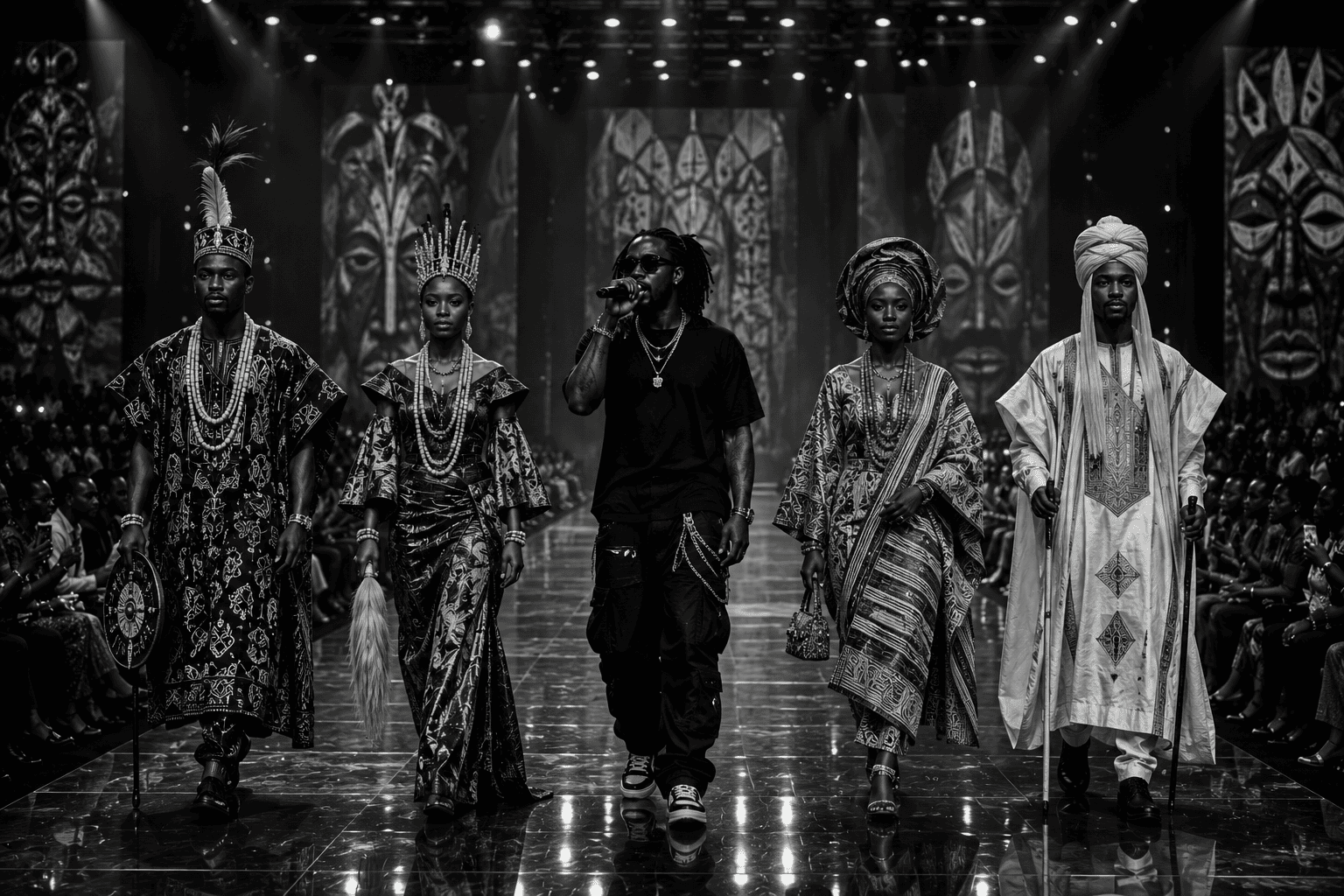
Aso Oke, once seen primarily as ceremonial attire, is finding new relevance among designers, creatives and consumers who value craftsmanship, heritage and authenticity. Across fashion, there is renewed appreciation for indigenous Nigerian artistry and the stories woven into it. What was once viewed solely as cultural expression is steadily becoming part of a wider creative economy.
At SEID, we see this as more than a cultural success story. We see it as an opportunity. Our focus has always been on identifying untapped potential and understanding how it can create lasting value for communities, industries and the wider economy. Our culture is increasingly proving to be one such opportunity.
When culture gains global attention, it creates demand. That demand reaches far beyond artists and designers. It supports hospitality businesses, event organisers, travel operators, content creators, artisans, restaurants and countless small enterprises that form part of a wider economic ecosystem.
The connection between culture and tourism is already visible. Every year, Detty December attracts thousands of visitors, particularly from the diaspora, generating activity across hospitality, transportation, retail and entertainment. The attraction is not a landmark or a resort. It is the Nigerian experience itself.
The same can be said for our weddings and cultural events. Nigerian weddings continue to captivate audiences online with their colour, fashion and traditions, while events such as the AMVCA have become major showcases for African style, with red carpet moments often drawing comparisons to the Met Gala. Together, they reinforce Nigeria’s reputation as a hub of creativity, style and cultural expression.
Food tells a similar story. From jollof rice to egusi, Nigerian cuisine continues to gain recognition in major cities around the world. Every Nigerian restaurant abroad serves as more than a place to eat. It becomes a point of cultural exchange, introducing new audiences to the country’s identity and traditions.
Around the world, countries have shown that cultural influence can translate into economic value. South Korea leveraged music, film and entertainment to strengthen its global brand and tourism industry. Italy continues to benefit from the enduring appeal of its fashion, food and heritage. Nigeria possesses many of the same advantages: a vibrant creative sector, a strong cultural identity and a growing global audience.
The opportunity before us is not simply to celebrate Nigerian culture but to recognise it as a strategic asset. With the right support for tourism, creative industries and cultural preservation, Nigeria can capture more of the value its influence is already creating around the world.
Nigeria’s culture is already travelling. The question is whether we are ready to treat it as one of the country’s most important exports.

Just weeks after our SEID Intel spotlight on solar power, the sector is making headlines again, this time with a policy shift that could create new opportunities for energy consumers.
NERC Approves Export of Excess Solar Power to DisCos
Nigerians who generate electricity through solar systems can now sell excess power back to distribution companies (DisCos) under the Nigerian Electricity Regulatory Commission’s (NERC) new Net Billing Regulations 2026.
The new framework allows eligible customers, known as prosumers, to generate renewable energy for their own use and export any surplus electricity to the grid in exchange for credits.
To participate, customers must be connected to a DisCo network, install an approved renewable energy system with a capacity between 50kWp and 1.5MWp, obtain approval from their DisCo and register with NERC.
Participants will also be provided with bidirectional meters to measure the electricity they take from the grid and the excess power they supply back to it. Exported electricity will be credited based on tariffs approved by NERC.
According to the commission, the regulation is designed to encourage the adoption of renewable energy, improve energy reliability for consumers and attract greater private sector participation in electricity generation.
Here are a few other headlines that also caught my attention this week:
Israeli government to deepen collaboration with Nigeria on AI for job creation. For a technology accused of wanting everyone’s job, AI is doing a lot of networking lately.
We’re not involved’ — FCCPC denies reports of airtime credit market overhaul. FCCPC says everyone should please face front. It wasn’t involved.
MTN to tackle data depletion complaints with monitoring portal. The age-old question, “Who finished my data?” may finally get an answer.
Nigeria’s telecoms sector records 91% decline in foreign investments. Nigeria’s telecom sector may have bars, but foreign investment appears to have lost signal.
NERC directs DisCos to compensate Band A customers with electricity units, bill adjustments for supply shortfall. DisCos have been instructed to say sorry in units, not words.
NBS: Nigeria’s capital importation rose 83% to $10bn in Q1. The first-quarter figures are in, and the flow of capital tells an interesting story.
Nigeria’s capital market becomes the first in Africa to adopt a one-day trade settlement cycle. This time, Nigeria is setting the pace.
FG launches land trust fund for youths in agribusiness. Sometimes opportunity begins with access.
CBN launches payment vision 2028 to deepen inclusion, strengthen cross-border payments. Looking ahead to the future of payments.
PenCom says pension assets rose 4.8% to record N30trn in April. The pension pot just got a little heavier.
Just leaving that here.